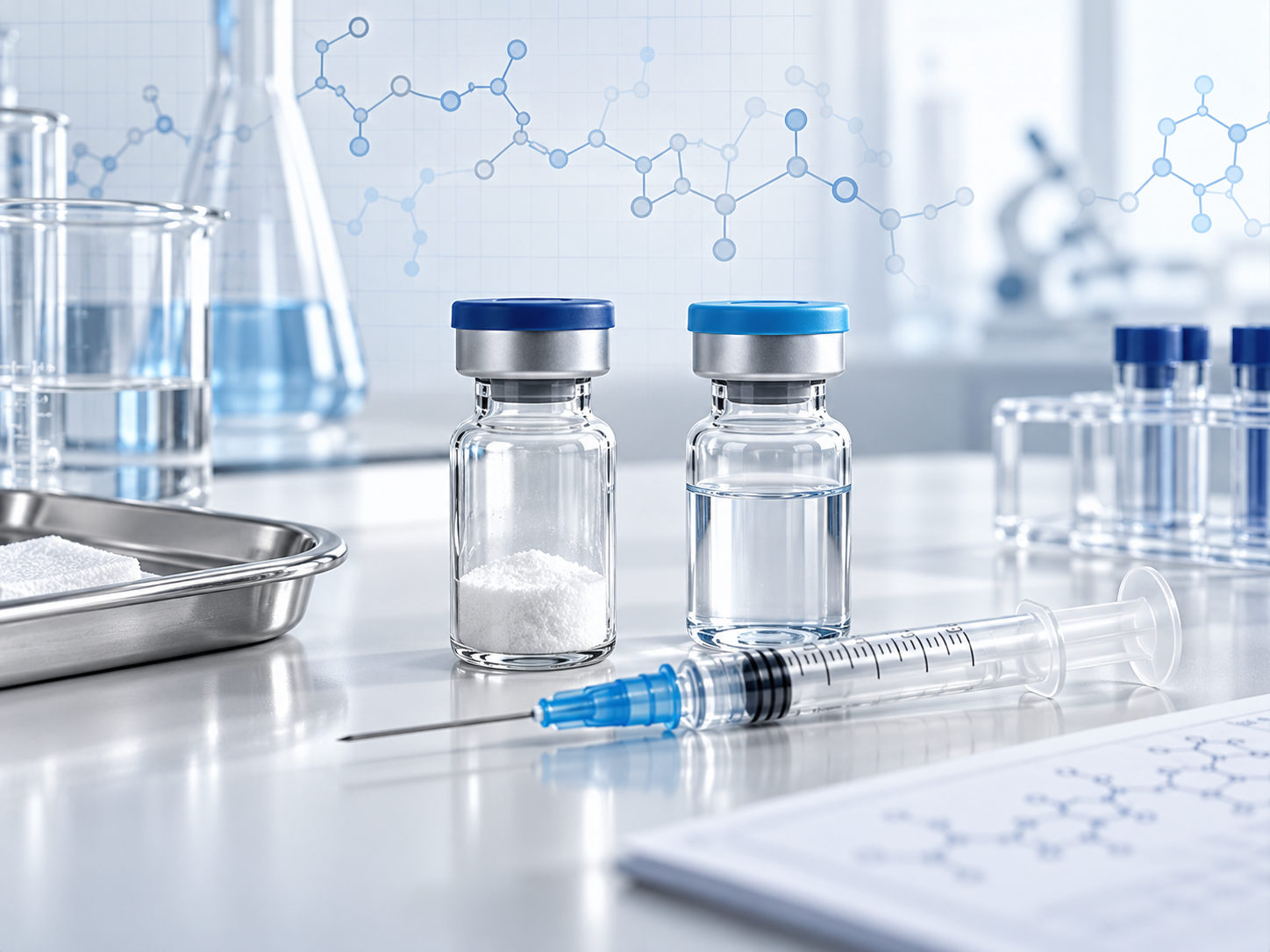
When an off-the-shelf catalog peptide does not match your project — a novel sequence, a specific modification, a purity target, a custom format — custom peptide synthesis is how that peptide gets made to order. This guide explains how the process works, what drives pricing, and how to evaluate a custom peptide manufacturer — so a first-time buyer can send a clear request and judge the quotes that come back.
What Is Custom Peptide Synthesis?
Custom peptide synthesis is the made-to-order production of a peptide to a buyer’s specification: a defined amino-acid sequence, modifications, purity target, quantity, analytical scope, and final format. Unlike catalog peptides — pre-made, fixed-specification products — a custom project is configured around the buyer’s requirements from the start, and every batch is documented against those requirements.
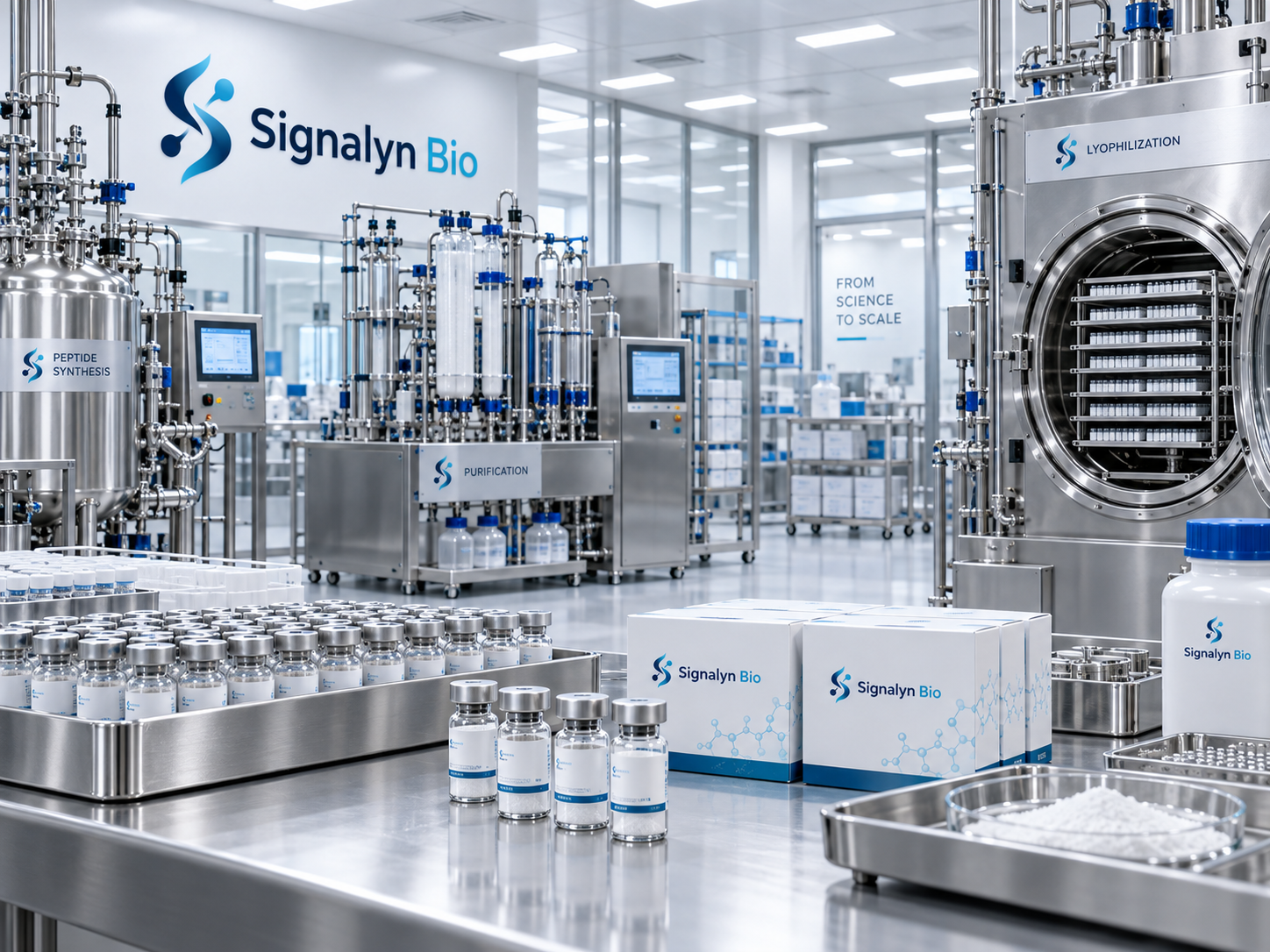
Typical buyers include research teams, biotechnology companies, distributors, and procurement professionals who need a peptide that is not available as a standard catalog item, or who need it at a specific purity, scale, or documentation level. Custom peptide services cover the full chain: synthesis, purification, analytical verification, lyophilization, packaging, and batch documentation — all coordinated within one project workflow.
How Custom Peptide Synthesis Works
A custom project follows a structured workflow. The exact route depends on sequence complexity, target purity, production scale, analytical requirements, final format, and documentation needs — but the stages are consistent:
1. Project Review
Before anything is made, the manufacturer reviews the peptide sequence, modifications, target purity, required quantity, analytical scope, final format, packaging, and delivery expectations. This step catches feasibility issues early — a long or aggregation-prone sequence, a difficult modification, or a purity target that demands a different purification strategy.
2. Peptide Synthesis
The target sequence is assembled amino acid by amino acid, most commonly by solid-phase peptide synthesis (SPPS). Synthesis parameters are configured around the sequence’s characteristics — length, composition, hydrophobicity, aggregation tendency — and the required production scale.
3. Purification
Crude synthesis product contains the target peptide plus synthesis-related impurities: truncated sequences, deletion products, side-reaction byproducts. Preparative purification — typically preparative HPLC — separates the target peptide from these impurities to reach the specified purity.
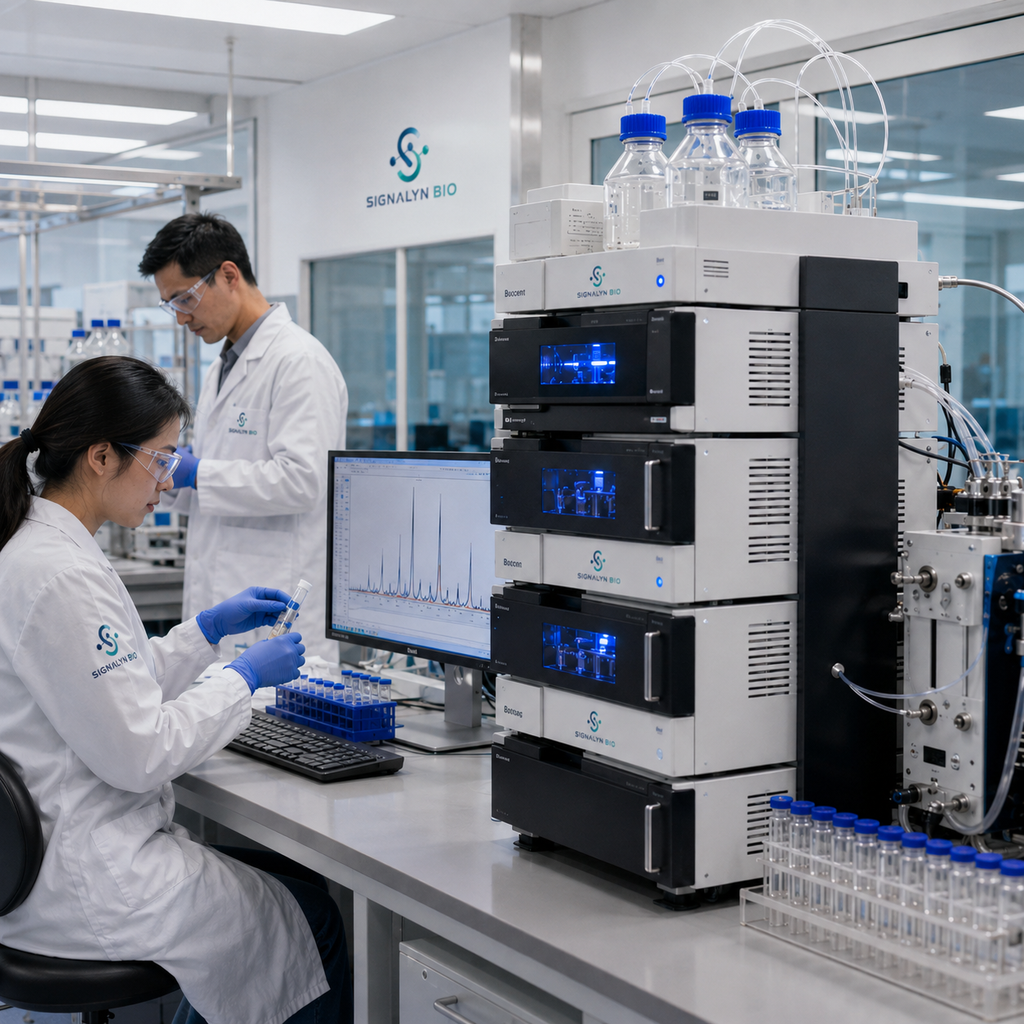
4. HPLC & Mass Spectrometry Verification
Two complementary methods verify the result. Analytical HPLC assesses chromatographic purity — the main peak’s share of the detector response. Mass spectrometry confirms molecular identity — that the material is actually the intended sequence with the intended modifications. Neither alone is sufficient; a credible project uses both.
5. Lyophilization & Packaging
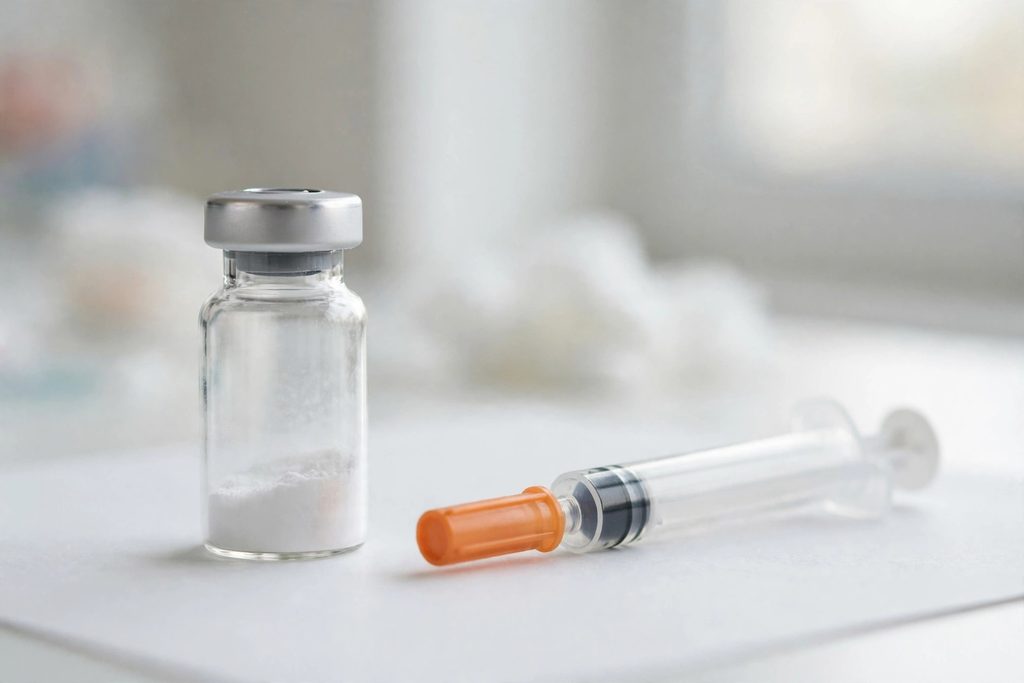
Purified peptide is typically freeze-dried (lyophilized) into a stable powder, then packaged as vials, bulk material, or a custom configuration per the project requirements — including labeling, batch identification, and storage specifications.
6. Batch Documentation & Delivery
Before shipment, the batch is documented: a Certificate of Analysis (COA) summarizing analytical results, chromatograms, mass spectra, batch identification, and any project-specific records. Documentation is what connects the material in the vial to the specifications that were ordered.
Also read: our Peptide Manufacturing Process Guide for a deeper walkthrough of each stage.
Custom vs Catalog Peptides: When to Choose Which
Custom synthesis is not always the right answer. Choose a catalog peptide when the sequence, purity, and format you need already exist as a standard product — it is faster and usually cheaper. Choose custom synthesis when the peptide is novel, when you need a specific modification or salt form, when the purity target exceeds the catalog specification, or when you need documentation (batch traceability, third-party verification) beyond what a standard product provides. If you are unsure, send the sequence and specification to a manufacturer for a feasibility review — a credible supplier will tell you when a catalog product would serve you just as well.
Common Challenges in Custom Peptide Projects
Not every sequence behaves the same way. Experienced manufacturers plan for a few recurring difficulties:
- Difficult couplings. Certain amino-acid combinations react slowly or incompletely, producing deletion products that must be separated during purification.
- Aggregation. Some sequences clump together during synthesis or purification, reducing yield and complicating chromatography.
- Hydrophobic residues. Water-repelling sequences can be hard to dissolve and purify, sometimes requiring adjusted solvent systems.
- Long sequences. Each additional coupling step compounds the chance of side reactions — which is why long peptides are disproportionately harder to make at high purity.
These are the reasons a project review matters: a sequence that looks simple on paper can carry hidden manufacturing challenges, and identifying them before production saves both time and budget.
What Drives Custom Peptide Synthesis Cost?
There is no standard price list for custom work, because no two projects are identical. Five factors dominate the quote:
- Sequence length and complexity. Longer sequences mean more coupling steps, more chances for incomplete reactions, and harder purification. A 10-amino-acid peptide and a 39-amino-acid peptide are different manufacturing problems — the longer chain typically costs substantially more to make at the same purity.
- Modifications. Terminal modifications (acetylation, amidation), side-chain modifications, labels, conjugations, and non-natural amino acids add synthesis steps and analytical complexity.
- Purity target. Higher purity targets demand more aggressive purification, which reduces recovery — more crude material must be made to yield the same amount of final product. The jump from 95% to 98%+ purity can change the cost structure significantly.
- Quantity and scale. Research-scale quantities and larger-volume production have different economics. Scale-up is not just “more of the same” — it may require re-optimized synthesis, larger purification capacity, and additional analytical consistency checks.
- Analytical and documentation scope. Standard HPLC/MS verification is baseline. Additional requirements — third-party independent testing, extended stability data, custom documentation packages — add real cost because they add real work.
When comparing quotes, ask what each price includes. A lower quote that omits independent testing or provides only a summary COA is not the same product as a higher quote with full analytical records. How much does custom peptide synthesis cost? The honest answer is: it depends on the five factors above — which is why credible manufacturers quote per project after reviewing the sequence and specifications.
A useful habit: ask every manufacturer for the same breakdown — synthesis, purification, analytical verification, lyophilization/packaging, documentation, and any third-party testing as separate line items. Identical-looking totals can hide very different scopes, and a line-item comparison is the fastest way to spot what is missing from a suspiciously cheap quote.
How to Choose a Peptide Manufacturer
Price alone is a poor filter. A peptide that is misidentified, under-purified, or undocumented can cost a project months. Evaluate a custom peptide manufacturer on six criteria:
1. Manufacturing Capabilities
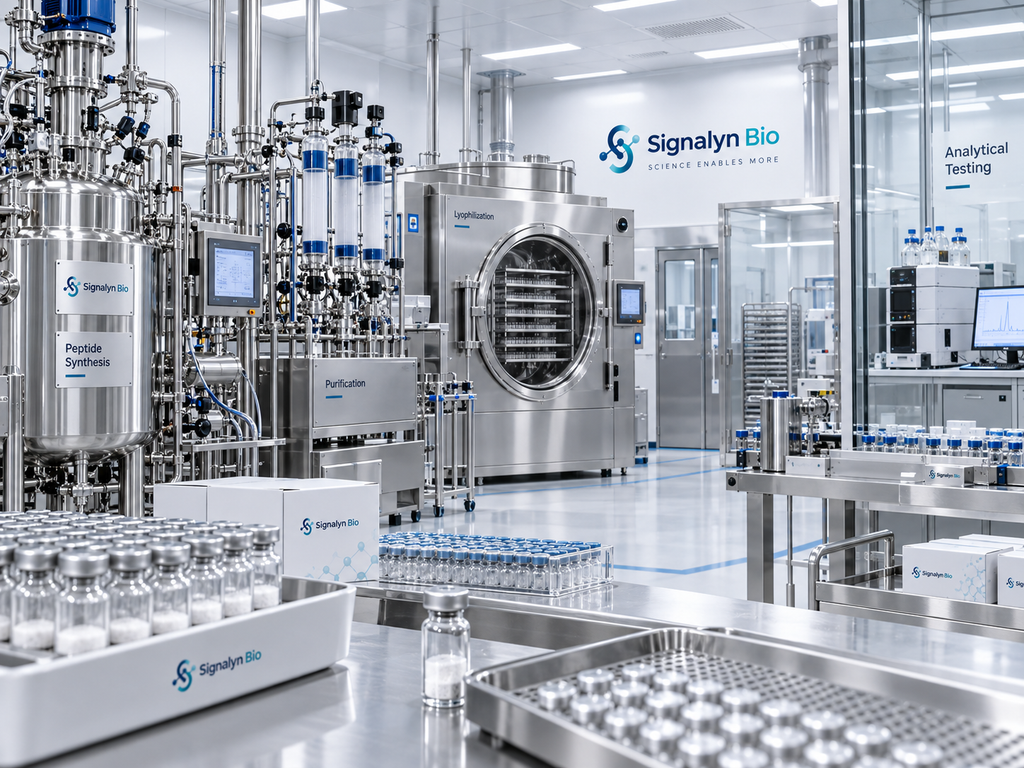
Can the supplier support the full chain — synthesis, purification, lyophilization, scale-up — or only part of it? A manufacturer that coordinates the whole workflow in-house has fewer handoff points where quality can slip.
2. Analytical Testing
Confirm that both HPLC and mass spectrometry are available, and ask what the deliverables look like. You should receive actual chromatograms and spectra, not just a purity number on a summary page.
3. Quality Documentation
Ask for a sample COA before ordering. A credible COA ties together peptide identity, batch number, analytical method, purity result, and mass confirmation. If a supplier cannot show you what their documentation looks like, that is a warning sign.
4. Batch Traceability
Confirm how batch identifiers connect manufacturing records, analytical results, packaging, and final documentation. When something needs to be re-verified months later, traceability is what makes that possible.
5. Independent Third-Party Verification
The strongest trust signal in the industry is independent third-party testing — a sample analyzed by an unaffiliated laboratory (for example, Janoshik) with results the buyer can verify. Ask whether the manufacturer supports third-party verification for selected projects, and whether they can share verifiable past reports.
6. Communication & Project Support
Assess how clearly the supplier handles specifications, timelines, documentation requests, and project-specific requirements before production. Vague answers at the quoting stage predict vague answers when something goes wrong.
Red flags to watch for: a supplier that cannot show a sample COA, quotes a price without asking for the sequence, promises an unusually fast turnaround for a long or complex peptide, or provides only a purity percentage with no chromatogram or spectrum. Any one of these is reason to get a second quote.
Also read: our Peptide Buyer’s Guide for a full supplier-evaluation checklist, and our Peptide Purity Guide on why a 99% HPLC figure alone does not define quality.
What to Include in a Custom Peptide Synthesis Request
A clear project brief gets a faster, more accurate quote. Include:
- Peptide sequence — amino-acid sequence, peptide name, or reference material, plus any sequence-specific notes.
- Required modifications — terminal modifications, labels, conjugations, salt form, or other structural requirements.
- Target purity — the analytical specification required, not a default assumption.
- Required quantity — intended amount or scale, so synthesis and purification can be planned appropriately.
- Analytical requirements — HPLC, mass spectrometry, COA documentation, third-party testing, or additional records.
- Final format & packaging — lyophilized or bulk format, vial configuration, labeling, destination, and expected timeline.
Frequently Asked Questions
How much does custom peptide synthesis cost?
Custom peptide synthesis cost depends on sequence length and complexity, modifications, purity target, quantity, and analytical scope. Simple short peptides at research quantities cost less than long, modified, or high-purity sequences. Pricing is provided as a project-specific quote after the sequence and specifications are reviewed.
How long does custom peptide synthesis take?
Turnaround depends on sequence complexity, purity target, quantity, and analytical scope. Straightforward research-scale projects typically move faster than long or heavily modified sequences requiring additional purification or analytical review. A project timeline is confirmed during the initial project review, before production begins.
What is the minimum order quantity?
There is no universal fixed minimum — custom peptide services are configured around project requirements, from research-scale quantities to larger-volume manufacturing. The synthesis scale, purification approach, and final format are aligned with the project’s needs during the initial review.
Can I get a COA and third-party testing?
Yes. Batch-specific COA documentation summarizing analytical results, batch identification, and relevant specifications is standard. Independent third-party testing can be coordinated for selected projects when additional external verification is required — ask about it during project review.
What purity should I request?
The appropriate purity specification depends on the intended research application and project requirements. A higher HPLC purity percentage alone does not establish complete peptide quality — review purity together with identity, content where applicable, and batch-level documentation.
Ready to start a custom peptide project? Share your peptide sequence, target purity, required quantity, modifications, analytical requirements, and packaging preferences with our team — explore our Custom Peptide Synthesis services and request a quote.
Disclaimer: This article is for informational and educational purposes only. Peptides discussed on this site are for laboratory research use only and are not intended for human or veterinary use. Specifications, pricing, and timelines for custom projects are confirmed on a project-by-project basis during the initial review.