
Peptide Third-Party Testing Services
Signalyn Bio supports third-party peptide testing when independent analytical verification is required for research, procurement, or project-specific quality review.
Third-party testing can provide an additional layer of analytical review using an external laboratory. Available testing options may vary according to the peptide, analytical method, sample requirements, and selected testing provider.
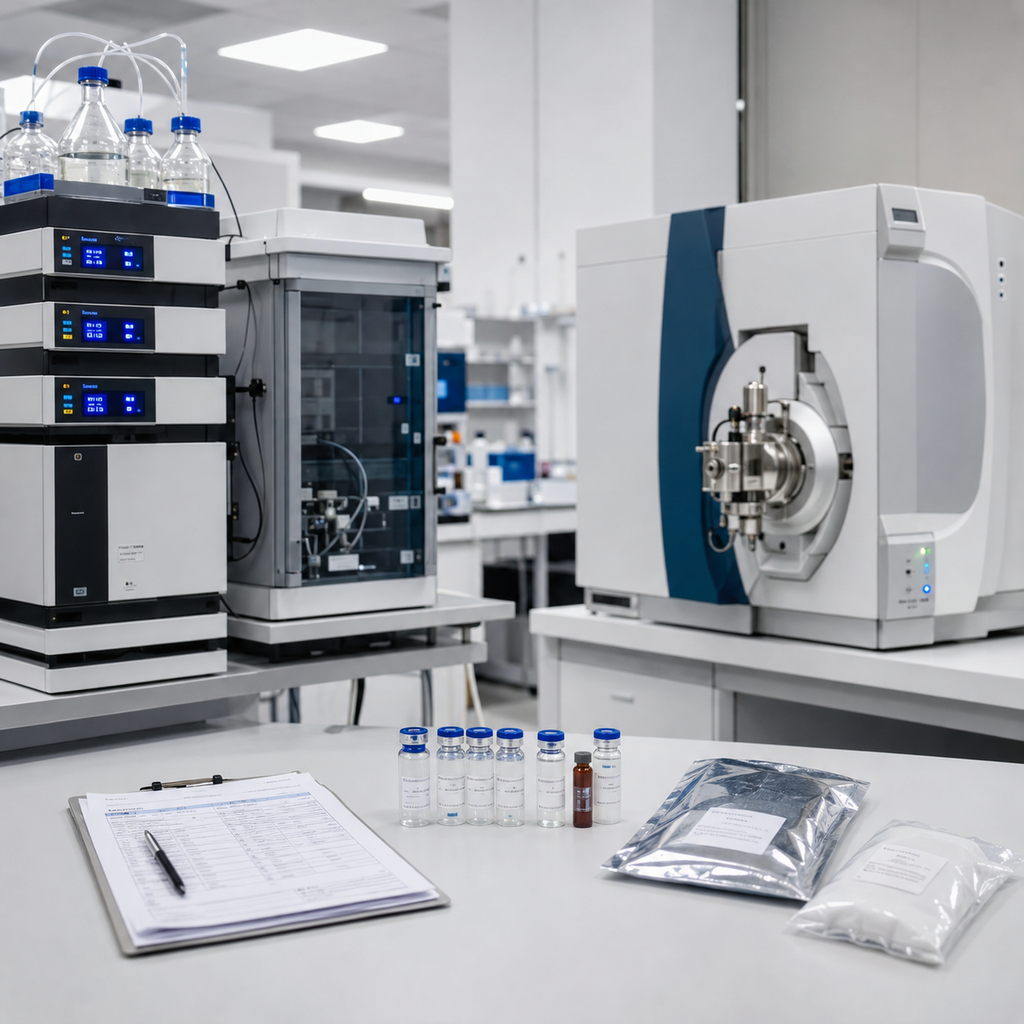
Independent peptide testing can be especially useful when buyers, research teams, or procurement departments require analytical confirmation from a laboratory that is separate from the manufacturing process. The scope of testing can be selected according to project requirements, available methods, sample quantity, and the capabilities of the chosen external laboratory.
Third-Party Testing Options
Independent testing can be arranged around specific analytical requirements, batch review needs, and available external laboratory capabilities.
Independent HPLC Testing
External HPLC analysis can provide an independent purity assessment and chromatographic review of submitted peptide samples.
Independent Mass Spectrometry
Third-party mass spectrometry can support external molecular identity verification and analytical characterization.
Batch Sample Testing
Selected batch samples can be submitted for external testing according to project-specific verification requirements.
Result Comparison
Third-party analytical results can be reviewed alongside internal testing data to provide additional context for batch assessment.
External Lab Documentation
Available reports may include chromatograms, mass spectra, analytical summaries, or other documentation issued by the selected laboratory.
Project-Specific Testing
Testing arrangements can be discussed according to peptide type, required method, sample quantity, and project objectives.
The most appropriate third-party testing plan depends on what needs to be verified. HPLC may be selected when independent purity assessment is required, while mass spectrometry can provide additional information about molecular identity. In some projects, both methods may be requested to provide complementary analytical information.
Typical Third-Party Testing Workflow
A structured third-party testing workflow helps coordinate sample preparation, external laboratory submission, independent analysis, and final review of analytical resu
01
Testing Request Review
Peptide information, batch details, required analytical methods, sample quantity, and project-specific verification needs are reviewed before testing is arranged.
02
Sample Preparation
Representative peptide samples are prepared and documented according to the requirements of the selected external laboratory.
03
External Laboratory Submission
Samples are submitted to the selected third-party laboratory together with the required testing information and project documentation.
04
Independent Analysis
The external laboratory performs the requested analytical testing, such as HPLC, mass spectrometry, or other available methods.
05
Results & Documentation Review
Third-party analytical results and reports are reviewed together with available batch information to support project-specific quality assessment.
Sample preparation and documentation are important because external laboratories may have specific requirements for sample quantity, labeling, submission format, and testing instructions. Clear batch identification also helps connect third-party analytical results with the correct manufacturing or project records.
What Third-Party Testing Can Verify
Third-party analytical testing can provide independent information about peptide purity, molecular identity, batch characteristics, and supporting documentation. The exact scope depends on the selected laboratory and analytical methods requested.
Purity Assessment
Independent HPLC testing can provide an external chromatographic assessment of peptide purity and sample composition.
Molecular Identity
Third-party mass spectrometry can support independent verification of peptide molecular identity and expected mass characteristics.
Batch-Level Verification
Testing of representative batch samples can provide additional analytical information for procurement, research, or project-specific quality review.
Independent Documentation
External laboratory reports can provide separately issued analytical records such as chromatograms, mass spectra, and testing summaries.
Independent results should be interpreted in the context of the analytical method used, the submitted sample, and the laboratory’s reporting format. Differences in instrumentation, methods, or testing conditions can affect how analytical results are presented, so reports should be reviewed together with the relevant supporting information.
Third-Party Testing Documentation & Reporting
Independent laboratory testing can be accompanied by external analytical reports that provide additional documentation for batch review, procurement, and project-specific quality assessment.
Independent HPLC Report
Third-party HPLC reports can provide chromatographic results, purity information, and an independently issued analytical profile of the submitted sample.
Independent Mass Spectrometry Report
External mass spectrometry reports can provide molecular mass information to support independent peptide identity verification.
External Laboratory Documentation
Depending on the selected laboratory, documentation may include analytical summaries, chromatograms, mass spectra, sample identification, and testing information.
The format and level of detail in third-party reports may vary by laboratory, analytical method, and testing scope. Available documentation should be reviewed in the context of the submitted sample and project requirements.
Request Third-Party Testing Information
Share your peptide, batch information, required analytical method, sample quantity, and project requirements with our team to discuss available third-party testing options.